



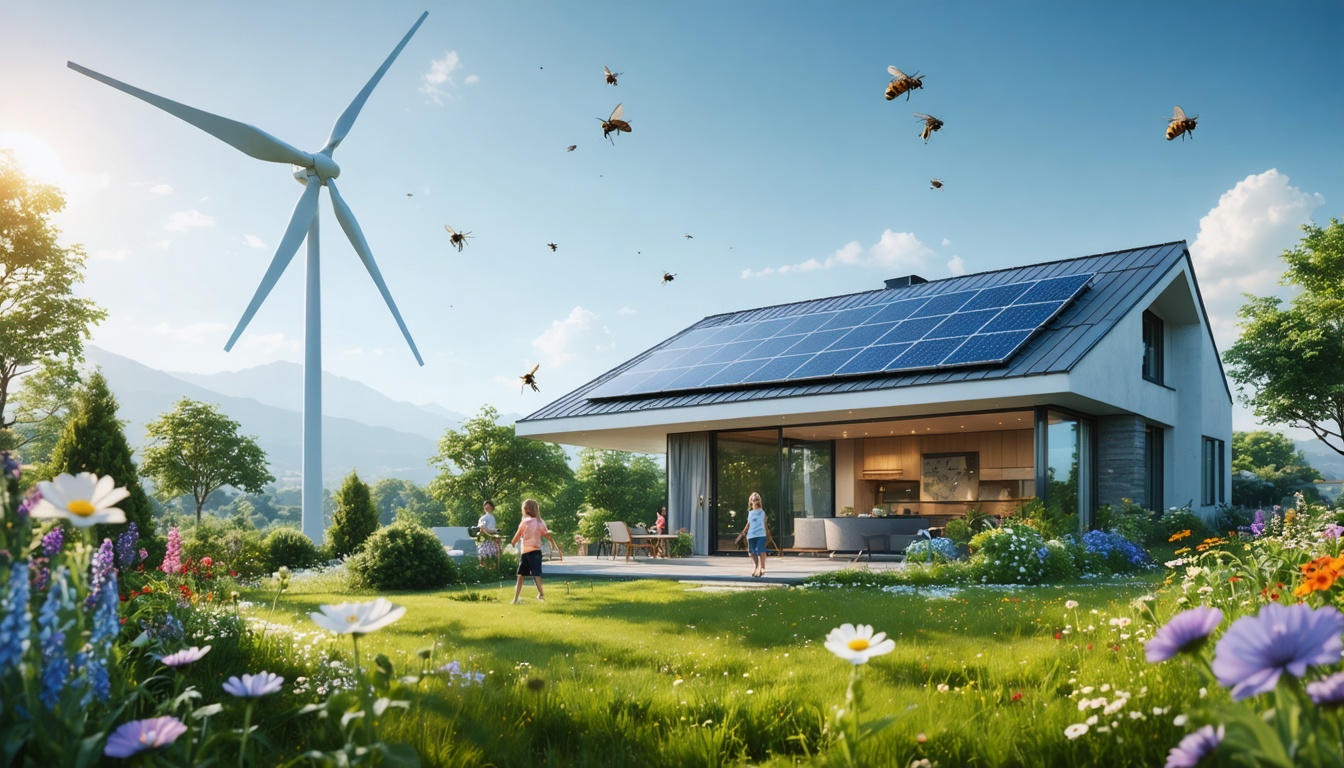
The Environmental Benefits of Choosing Renewable Energy at Home
Opting for renewable energy in the home can lead to reduced electricity costs while also contributing to environmental improvements. Technologies such as solar panels and wind turbines can play a significant role in decreasing greenhouse gas emissions and reducing dependence on fossil fuels. These energy sources contribute to lower levels of air pollution and promote sustainable resource management. The transition to renewable energy aligns with broader environmental goals, such as reducing the impacts of climate change and enhancing energy security. By investing in renewable technologies, homeowners can not only benefit from personal energy savings but also support a larger movement towards cleaner energy solutions. Research indicates that widespread adoption of renewable energy can lead to substantial decreases in carbon emissions, which is crucial for mitigating the adverse effects of global warming. Furthermore, renewable energy sources are considered sustainable because they are replenished naturally over time, which aids in the conservation of finite fossil fuel resources. Overall, considering the broader implications of choosing renewable energy can help homeowners make informed decisions that contribute positively to environmental sustainability while addressing economic considerations.
What Is Renewable Energy and How Does It Work?
Renewable energy is obtained from natural sources that are consistently replenished, such as sunlight, wind, and water. Technologies like wind turbines and solar panels convert these resources into electricity and heat for residential and commercial consumption. This conversion process generally produces lower greenhouse gas emissions and carbon dioxide compared to traditional energy sources, which can lead to improved air quality and a reduced environmental footprint.
The shift towards renewable energy sources has been linked to several benefits, including job creation. For instance, it is estimated that this transition may have resulted in the creation of around 16 million jobs in the previous year.
Furthermore, renewable energy systems typically utilize less water and occupy less land than conventional fossil fuel power plants, presenting more sustainable alternatives.
Integrating renewable energy into the broader energy landscape is essential for mitigating climate change and fostering sustainable economic development. As countries implement energy policies that prioritize renewable sources, the resulting effects on air quality, employment opportunities, and resource management warrant careful consideration.
Reducing Greenhouse Gas Emissions
Traditional home energy sources are notable contributors to greenhouse gas emissions. The transition to renewable energy sources, such as solar and wind power, presents an opportunity to significantly reduce a household's carbon footprint.
By implementing solar panels, wind turbines, or heat pumps, households can utilize energy production methods that result in minimal or no greenhouse gas emissions.
Data from the United States indicates that annual solar energy installations have the capacity to prevent approximately 4 tons of carbon dioxide emissions per city. For those interested in specific implementations, Home Energy Systems in Georgia offers valuable insights on local renewable energy solutions. This shift towards renewable energy is an important measure in progressing towards a sustainable, net-zero economy.
Such a transition aids countries in achieving emissions reduction goals and helps mitigate the impacts of climate change linked to fossil fuel consumption. Transitioning to renewable energy not only facilitates individual efforts to lower carbon emissions but also aligns with broader environmental objectives.
Improving Air and Water Quality
The adoption of clean energy solutions in residential areas contributes to a reduction in carbon emissions and has direct implications for air and water quality. The shift towards renewable energy sources, such as solar panels and wind turbines, is significant in reducing air pollution by lowering the emissions of carbon dioxide and other greenhouse gases typically associated with fossil fuel consumption.
Renewable energy systems generally require less water compared to traditional energy generation methods. For example, conventional power plants—especially those based on thermal processes—often require extensive water for cooling and steam production. In contrast, renewable sources like wind and solar have minimal water requirements for their operation, which reduces the risk of contamination to local water resources.
In addition, the operational phase of renewable energy technologies results in minimal greenhouse gas emissions, further contributing to the improvement of air quality. A decrease in reliance on fossil fuels and conventional power generation may help mitigate health issues related to air pollution, such as respiratory conditions.
The pursuit of net-zero emissions is beneficial not only for cleaner air but also for the conservation of natural resources. This shift may lead to decreased healthcare costs associated with pollution-related health problems and can encourage the advancement of new green technologies.
In conclusion, transitioning to renewable energy systems represents a viable approach to enhancing both air and water quality, supported by numerous studies and analyses in the field.
Minimizing Resource Depletion
As global energy demand rises, the integration of renewable energy sources in residential environments is crucial for minimizing the depletion of the Earth's limited resources. The adoption of solar panels, heat pumps, and wind turbines facilitates a move away from fossil fuels, which can lead to a reduction in annual carbon dioxide emissions.
Renewable energy generation, derived from sustainable and inexhaustible resources, generally produces fewer greenhouse gas emissions compared to conventional fossil fuel-based energy production.
Shifting towards cleaner energy sources in urban and residential contexts supports economic objectives, including the pursuit of Net Zero carbon emissions. This goal not only aids in conserving natural resources but also has the potential to create job opportunities across various sectors associated with renewable energy technologies.
Research shows that increasing the reliance on renewable energy is instrumental in reducing environmental impacts while contributing to economic growth.
Supporting Healthy Ecosystems and Biodiversity
Transitioning a household's energy sources from fossil fuels to renewable options such as solar and wind energy can lead to a measurable reduction in air and water pollution. This shift is important because pollutants associated with fossil fuel combustion pose risks to human health and ecosystems. By switching to renewable energy, households can significantly lower their carbon emissions and reduce the levels of pollutants that adversely affect air quality.
The implementation of technologies such as heat pumps, solar panels, and wind turbines for electricity generation and heating can contribute to the conservation of natural resources. Additionally, these technologies minimize the environmental impacts commonly associated with fossil fuel power generation.
Moreover, the use of renewable electricity and electric vehicles is increasingly recognized as a method to support biodiversity. Renewable energy sources typically emit little to no greenhouse gases, in contrast to traditional energy supply chains in the United States, which significantly contribute to climate change.
Therefore, adopting renewable energy not only improves air quality but also plays a role in maintaining ecological balance and preserving biodiversity.
Enhancing Energy Independence
Many households still rely on traditional energy sources; however, transitioning to renewable energy options, such as solar panels and wind turbines, has the potential to improve energy independence. By producing electricity onsite, homeowners can reduce their dependency on global fossil fuel supply fluctuations and mitigate issues related to rising prices and reliance on imported fuels.
Renewable energy systems, including solar panels and heat pumps, utilize natural resources and are associated with low greenhouse gas emissions. This shift contributes to a reduction in carbon dioxide emissions, aligning with ongoing efforts to address climate change and its associated challenges.
Investing in renewable technologies, such as wind power and electric vehicles, supports the transition to cleaner energy sources. Additionally, these investments can promote economic growth by generating job opportunities in renewable energy development and maintenance sectors.
As more households and communities adopt these technologies, the collective impact can foster a more sustainable energy ecosystem.
Lowering Long-Term Energy Costs
In recent years, the adoption of renewable energy sources for residential use has become a viable option for reducing long-term energy costs. The installation of solar panels, wind turbines, and heat pumps enables homeowners to lessen their dependence on traditional fossil fuels, transitioning towards cleaner methods of electricity and heating.
This change is noteworthy as it aids in decreasing carbon dioxide emissions and other air pollutants, resulting in both environmental improvements and enhanced local air quality.
Several factors have contributed to the increasing affordability and uptake of renewable energy technologies. Tax incentives provided by various government programs and a reduction in the cost per kilowatt of renewable energy generation have played a significant role in making these technologies more available.
Additionally, improvements in supply chain efficiency have further contributed to lowering overall costs.
In the United States, choosing renewable energy sources can reduce the economic fluctuations commonly associated with fossil fuel markets. This transition helps to stabilize energy prices for consumers and fosters job creation in the renewable energy sector, which supports a broader movement towards a net-zero and low-carbon economy.
The outcomes of this transition have implications for both economic stability and environmental sustainability.
Promoting Public Health and Well-being
Air pollution resulting from fossil fuel combustion presents significant challenges to public health. Studies show that reducing reliance on these energy sources can lower health risks related to poor air quality. A shift to renewable energy solutions—such as solar power, heat pumps, and wind energy—presents a viable strategy for mitigating these health hazards.
The adoption of renewable energy technologies at the residential level can lead to substantial reductions in carbon emissions. Research has demonstrated a decrease in carbon dioxide emissions on a per-household basis when transitioning to renewable energy. This change not only improves air quality but also reduces exposure to harmful pollutants linked to fossil fuel combustion.
Additionally, the substantial reduction of greenhouse gas emissions from electricity generation through renewable sources is in line with broader environmental objectives, including commitments to achieve Net Zero emissions.
Community-level initiatives focused on promoting sustainable energy practices can have significant impacts on climate change and its effects. The annual adoption of renewable energy sources contributes to lower air pollution levels and can yield positive outcomes for public health and the economy.
Overall, this multifaceted approach aligns with the goal of advancing public well-being while simultaneously addressing environmental challenges.
Creating Economic and Job Opportunities
Transitioning to renewable energy presents notable economic advantages, alongside established environmental benefits. By choosing renewable options for home energy needs, consumers can stimulate growth in industries focused on solar panels, wind turbines, electric vehicles, and heat pumps.
Current data indicates that the clean energy sector supports approximately 16.2 million jobs. This figure reflects a higher employment rate per dollar invested compared to fossil fuel industries, suggesting that investments in renewable energy can result in greater job creation, which may benefit local economies.
Additionally, the transition to renewable energy contributes to a decrease in greenhouse gas emissions, supports cleaner sources of electricity and heating, and reduces overall carbon dioxide emissions. Such improvements are beneficial for urban air quality and can enhance the resilience of supply chains in the United States and potentially in other regions.
In conclusion, the integration of renewable energy not only supports environmental objectives but also promotes economic growth through job creation and increased stability in energy supply sources.
Overcoming Challenges in Adopting Renewable Energy
Homeowners face several practical and financial challenges when considering the transition to renewable energy sources, despite ongoing advancements in technology. The initial capital investment for systems such as solar panels, wind turbines, and heat pumps can be substantial. However, various tax credits and rebates exist that can help to mitigate some of these upfront costs.
Moreover, improvements in energy storage technologies and the proliferation of community-based renewable energy projects are enhancing accessibility to renewable electricity, especially in urban settings. By reducing reliance on fossil fuels and shifting to cleaner energy alternatives, homeowners can play a role in decreasing carbon dioxide emissions, which has implications for public health and air quality.
This shift towards renewable energy is consistent with national objectives in the United States to achieve Net Zero emissions. The reduction of fossil fuel dependence not only supports a decrease in greenhouse gas emissions but may also aid in the development of a more sustainable economic framework.
Potential adopters of renewable energy should carefully evaluate the long-term benefits alongside the financial considerations linked to these investments.
Conclusion
Choosing renewable energy for residential use contributes to a reduction in carbon emissions, which is essential for addressing climate change. By utilizing renewable sources such as solar, wind, or geothermal energy, homeowners can contribute to improved air quality, resulting in public health benefits for local communities. In addition to environmental benefits, transitioning to renewable energy can enhance energy independence by reducing reliance on fossil fuels, which are subject to market volatility and geopolitical tensions. The shift towards renewable energy sources also has the potential to stimulate job creation within the local economy, particularly in industries related to energy installation, maintenance, and innovation. Advancements in technology have made renewable energy options increasingly accessible and cost-effective, often leading to long-term savings on energy bills. Moreover, the integration of smart energy solutions allows homeowners to manage their energy consumption more efficiently. In summary, adopting renewable energy at home can lead to significant environmental and economic advantages. It is an approach that aligns with broader sustainability goals while providing practical benefits for individual households.